
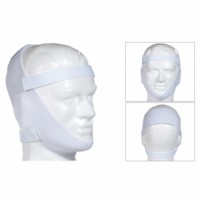
Chin straps are commonly used to help keep the mouth closed during sleep, particularly for people using CPAP therapy. A chin strap for CPAP can reduce mouth leak, improve humidity retention, and may enhance overall comfort for some users. However, there are disadvantages of a chin strap to consider: potential skin irritation, pressure points, and the possibility of affecting jaw alignment if overtightened. CPAP chin straps vary in design and materials, so selecting the right fit is important.
Can a chin strap cause skin irritation or pressure sores?
Yes. A chin strap for CPAP can cause redness, chafing, or pressure sores where the strap contacts the skin, especially along the chin, cheeks, and scalp. To reduce risk, choose soft, breathable materials, use strap covers, clean the strap regularly, and avoid excessive tension. If irritation occurs, discontinue use and consult a clinician.
Does wearing a chin strap affect breathing or airway patency?
In most cases, CPAP chin straps designed for sleep therapy do not obstruct the airway when properly fitted. However, overtightening a chin strap for CPAP may reposition the jaw uncomfortably, increase resistance, or feel restrictive. Users with nasal congestion or certain jaw/airway conditions may perceive reduced patency. Always ensure you can breathe comfortably through your nose, and consult your sleep clinician if you notice increased work of breathing or residual apnea events.
Are chin straps effective for preventing teeth grinding or jaw clenching?
Chin straps are not intended to treat bruxism. While a chin strap for CPAP may gently support the jaw closed, it does not protect enamel or reduce clenching forces like a dental night guard. If you grind your teeth, speak with a dentist about a custom mouthguard; CPAP chin straps should not be used as a substitute for bruxism therapy.
What are the long-term risks of using a chin strap nightly?
Potential long-term considerations include persistent skin irritation, development of pressure spots, changes in jaw comfort, or temporomandibular joint (TMJ) discomfort if the strap is too tight or poorly fitted. Regularly inspect your chin strap for wear, adjust tension to the minimum needed, and alternate strap styles or use strap covers to reduce friction. If jaw pain, headaches, or worsening nasal congestion occur, reassess fit or consider alternative CPAP accessories. CPAP chin straps, when used appropriately, are generally safe, but ongoing evaluation with your sleep provider is recommended.
Chin Straps
Filter Results
Brands
- 3B Medical Inc
- 3M
- A&D Medical
- Abbott
- AccuRelief
- Actimove
- Acu-Life
- ACUTENS LLC
- Advocate
- AffloVest
- AG Industries
- AgaMatrix
- AirLife
- ALIMED INC
- American Diagnostic Corporation
- American Red Cross
- Amsino
- APOTHECARY PRODUCTS INC
- Applied Medical Technology
- ARDO MEDICAL INC
- Arm & Hammer
- Ascensia Diabetes Care
- Attends Healthcare Products
- Bard Medical
- Battle Creek Equipment
- BAXTER HEALTHCARE
- BD Medical
- BEAUMONT PRODUCTS INC
- Bemis
- Biofreeze Professional
- Bleep
- Briggs Healthcare
- Brownmed
- Cardinal Health
- CareFusion
- Carex
- CHATTEM INC
- Church & Dwight
- CLEANIS, INC
- CleanLife Products
- Clinere
- Coloplast
- Compass Health Products
- Contour Products Inc.
- ConvaTec
- COSRICH GROUP INC.
- Covidien
- CPAP Soap
- Crane
- CURE
- Cure Medical
- Dale Medical Products
- DERMARITE
- DEVILBISS HEALTH CARE
- Dexcom
- DJO
- DMI
- Dr. B Dental Solutions
- Dr. Pats
- Drive Medical
- Duracell
- Dynarex
- EasyMax
- Elvie
- Essential Medical Supply
- ESSITY
- Evenup
- Fabrication Enterprises Inc
- Feather Chair
- First Quality
- Fisher & Paykel Healthcare
- FLA Orthopedics
- FORTIS MEDICAL PRODUCTS
- Freemie
- Gemco
- Gold Bond
- Golden Technologies
- Hart Medical Equipment
- Hermell Products Inc
- Hollister Inc.
- Honeywell
- HR Pharmaceuticals
- Hudson Industries
- HYLAND'S INC.
- iHealth Labs
- IHEAR MEDICAL INC
- Innovacyn
- INTCO Medical
- Invacare
- Jobar International
- Jobst
- Johnson & Johnson Consumer Inc.
- KAZ USA INC
- KCI
- KEM Enterprises
- Kendall Healthcare
- KENVUE BRANDS LLC
- Kimberly-Clark
- KT HEALTH, LLC
- Lansinoh
- LaVie
- Liviliti Health Products
- Mallinckrodt Medical
- Marpac
- McKesson
- MEAD JOHNSON CO - 061611
- Medela
- Medicool
- Medline
- MEDMART
- Milliken Medical
- Misty Mountain
- Molnlycke Health Care
- Momcozy
- Monaghan Medical
- Motif Medical
- Munchkin, Inc.
- Naväge
- Neck Hammock
- NeilMed Pharmaceuticals
- NEOMED
- Nestle HealthScience
- NOVA
- Nu-Hope Labs
- O2 Concepts
- OKAMOTO USA
- Omron Healthcare
- OrthoFeet
- OSNovative Systems, Inc.
- OWEN MUMFORD USA INC
- PDI INC.
- PediFix Medical Footcare
- PELSTAR LLC
- Philips Healthcare
- Posey Products
- Precept
- Presto
- Prevail
- Pride Mobility
- PRINCIPLE BUSINESS ENT
- Prodigy Diabetes Care
- QUEST PRODUCTS INC
- React Health
- Reliefband
- Resmed
- Respironics
- reVive Light Therapy
- Rhythm Healthcare
- RMS
- ROCHE DIAGNOSTICS CORP.
- Rochester Medical
- ROHO Incorporated
- Safe n Simple
- Safetec of America
- Sage Products
- Salk
- Salter Labs
- SCOTT SPECIALTIES CMO INC
- Sea-Band
- Sejoy
- SIMPRO
- Skil-Care Corp
- Sleep Snugz
- Smith & Nephew
- Smiths Medical
- SoClean
- Southwest Technologies
- speCtra
- Spirit Medical
- SteriLance Medical
- Sunset Healthcare Solutions
- Superfeet
- Systagenix Wound Management
- Tandem Diabetes Care
- Teleflex Medical
- TENA
- Tender Corporation
- Theraband
- Therafirm
- Therapearl
- Therapeutic Dimensions
- Therapik
- TotalDry
- Transcend
- TriDerma
- UCO International
- UpSpring
- UreSil
- URGO MEDICAL NORTH AMERICA LLC
- Welcon
- Wellspect
- Welly
- WESTMED INC.
- Zomee
Filters
Price Range
Loading Additional Filters

-
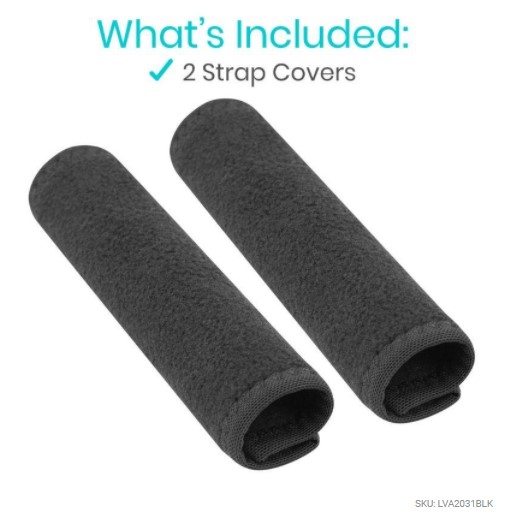
Hart Medical Equipment
CPAP Strap Covers - 5.5"
$5.99
-
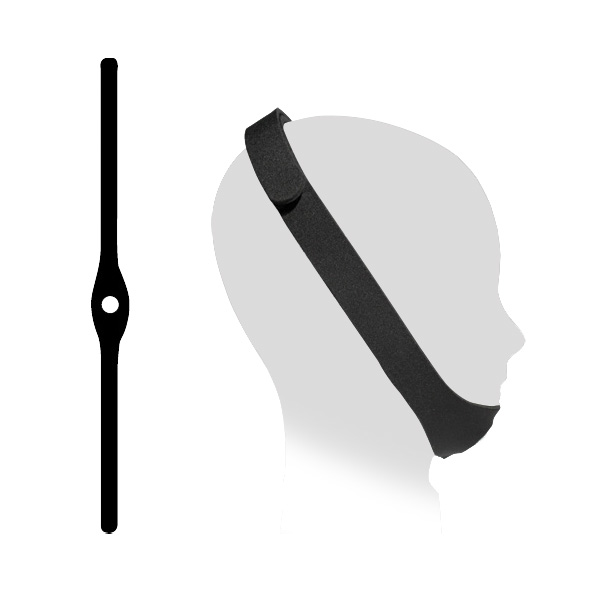
Sunset Healthcare Solutions
Sunset Universal Neoprene Chin Strap
$16.99
Insurance Eligible
-

Sunset Healthcare Solutions
Sunset Basic Chinstrap
$12.99
Insurance Eligible
-
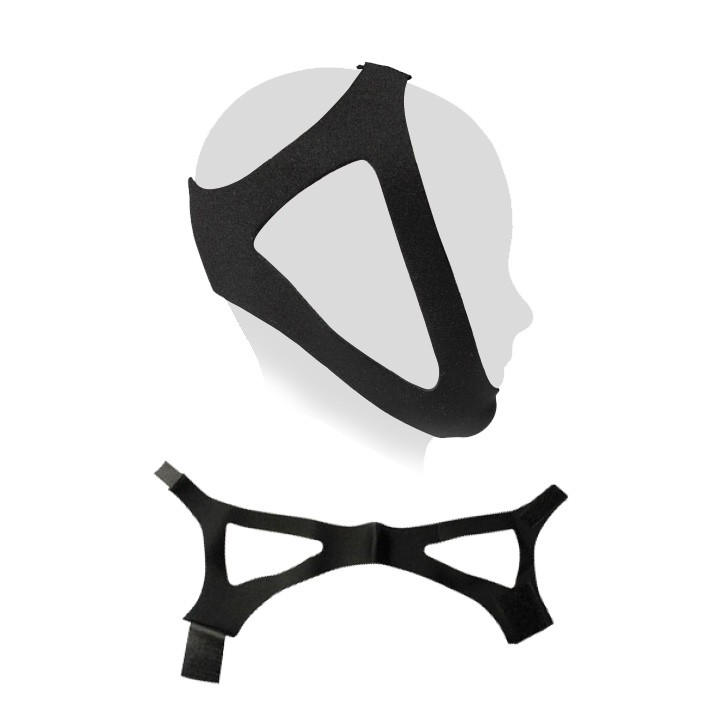
Sunset Healthcare Solutions
Sunset Adjustable Neoprene Chinstrap
$18.99
Insurance Eligible
-

Sunset Healthcare Solutions
Sunset Deluxe Chinstrap
$18.99
Insurance Eligible
-
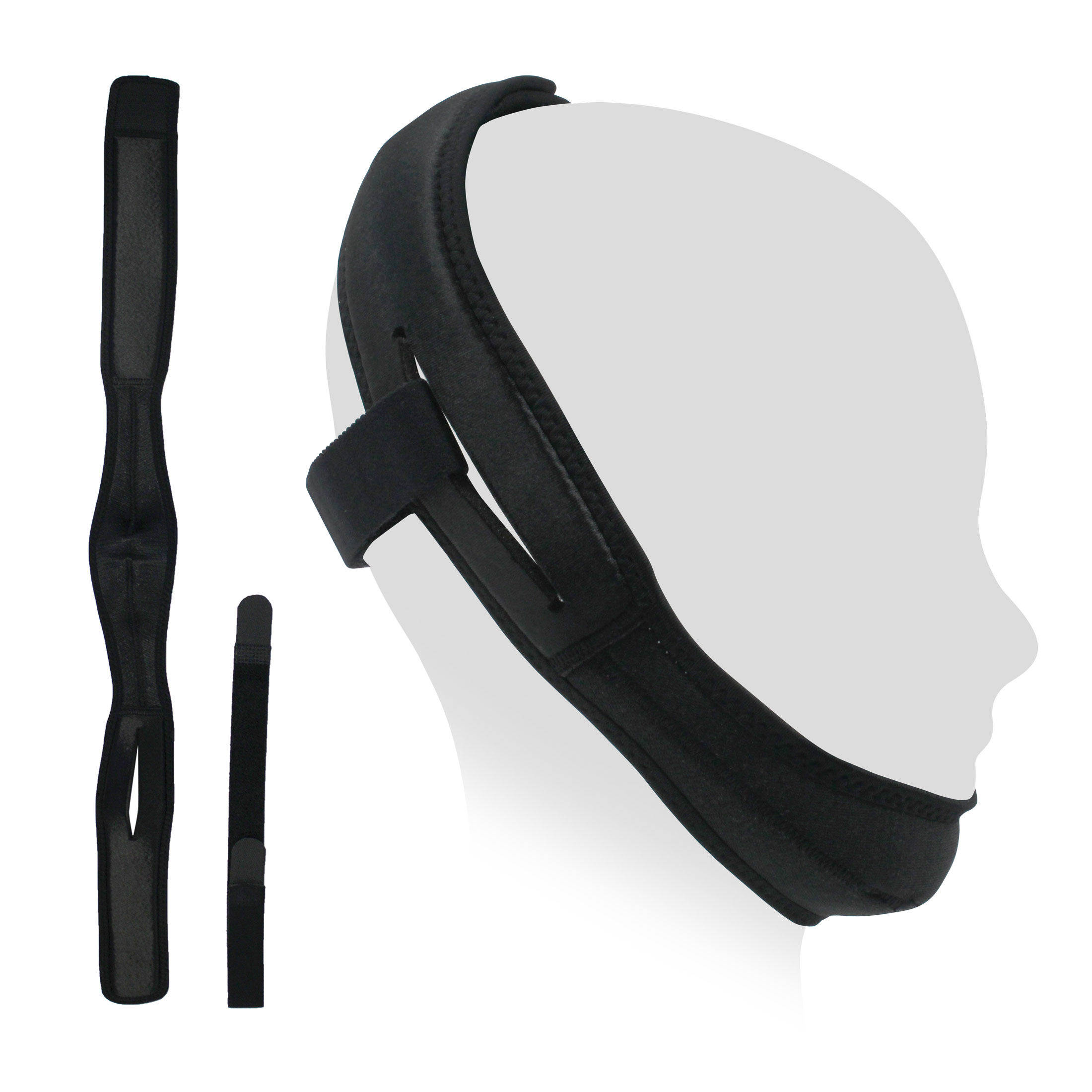
Sunset Healthcare Solutions
Sunset Premium Chinstrap
$12.99
Insurance Eligible
-
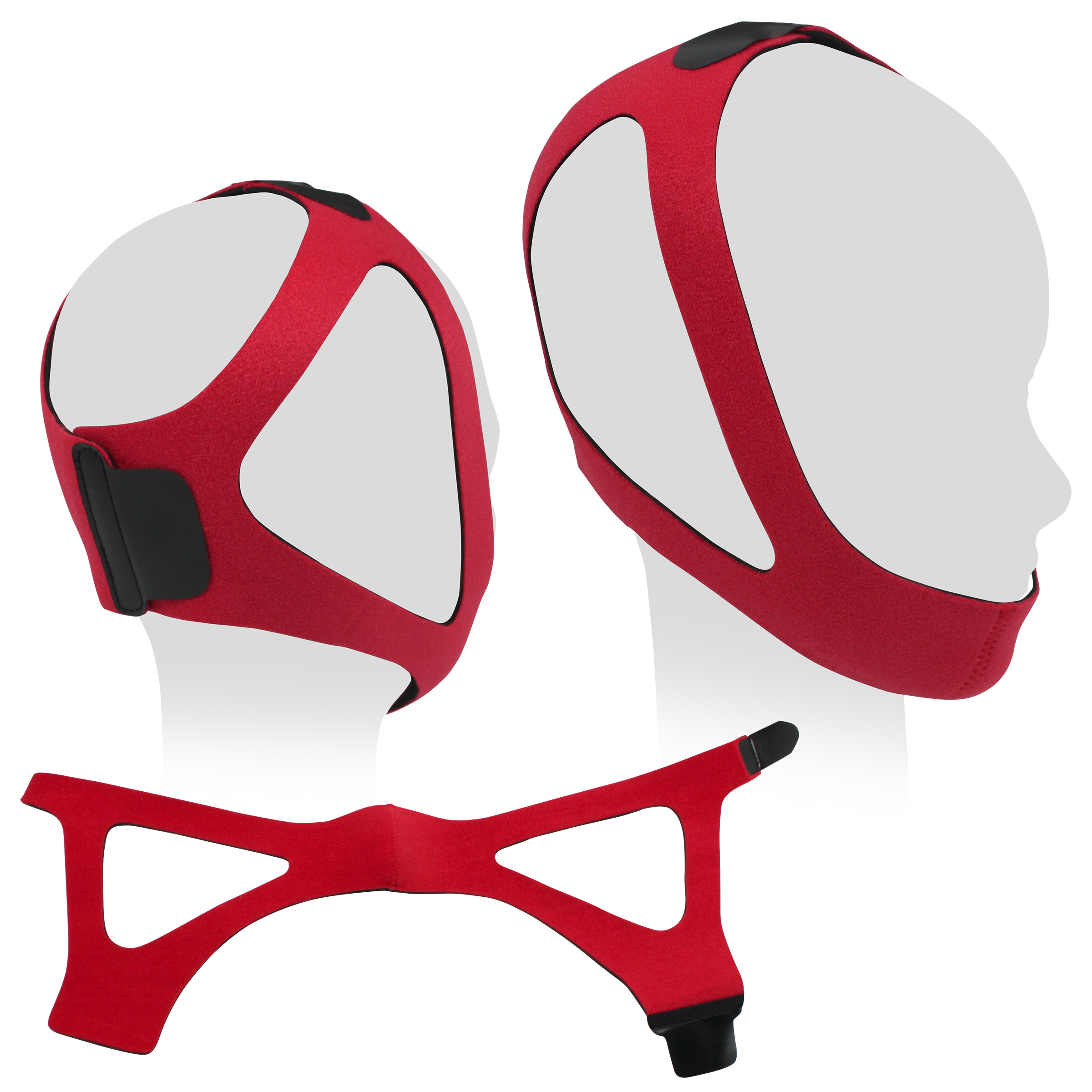
Sunset Healthcare Solutions
Sunset Ruby Style Chin Strap – Fully Adjustable
$16.99
Insurance Eligible
-
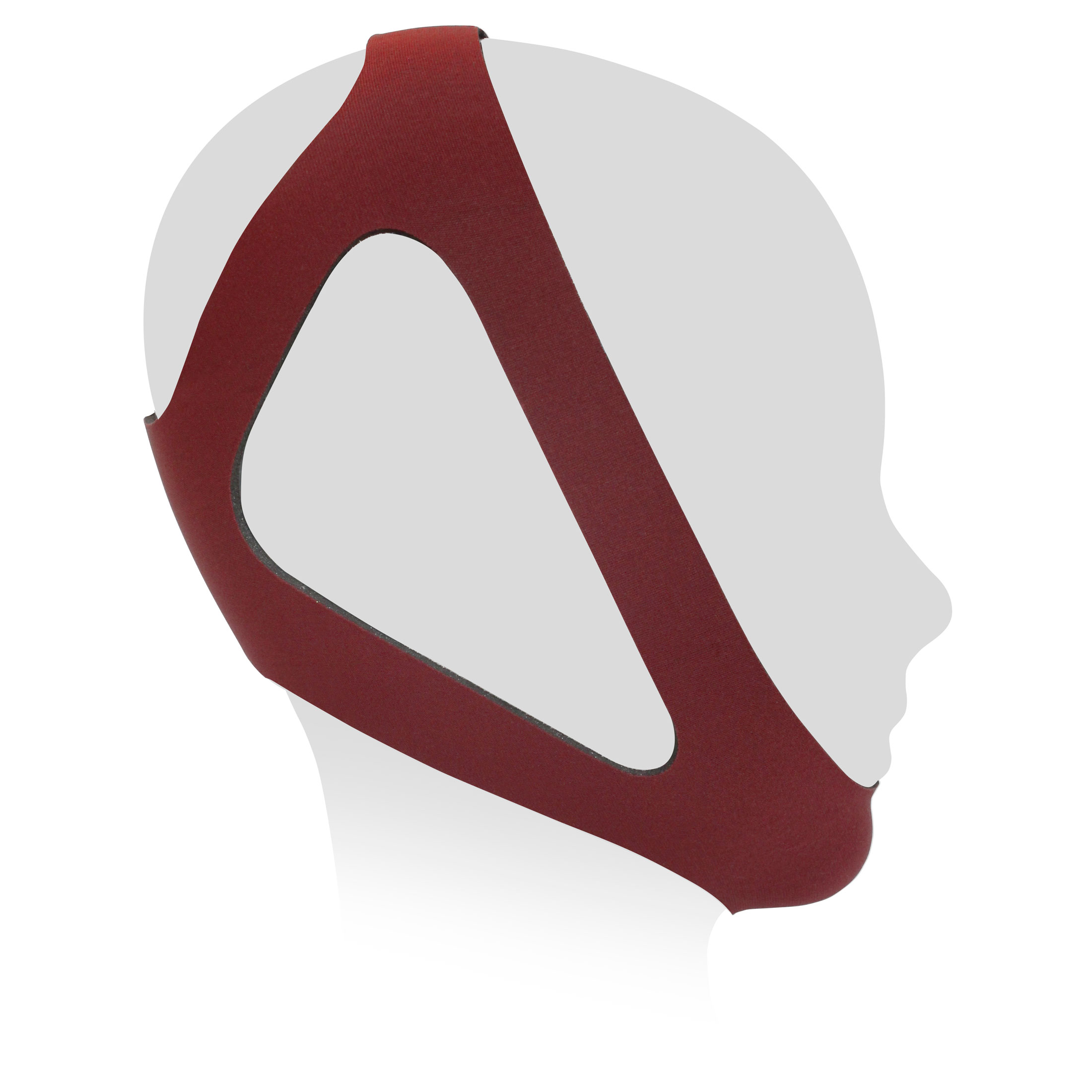
Sunset Healthcare Solutions
Sunset Ruby Style Chin Strap
$16.99
Insurance Eligible
-
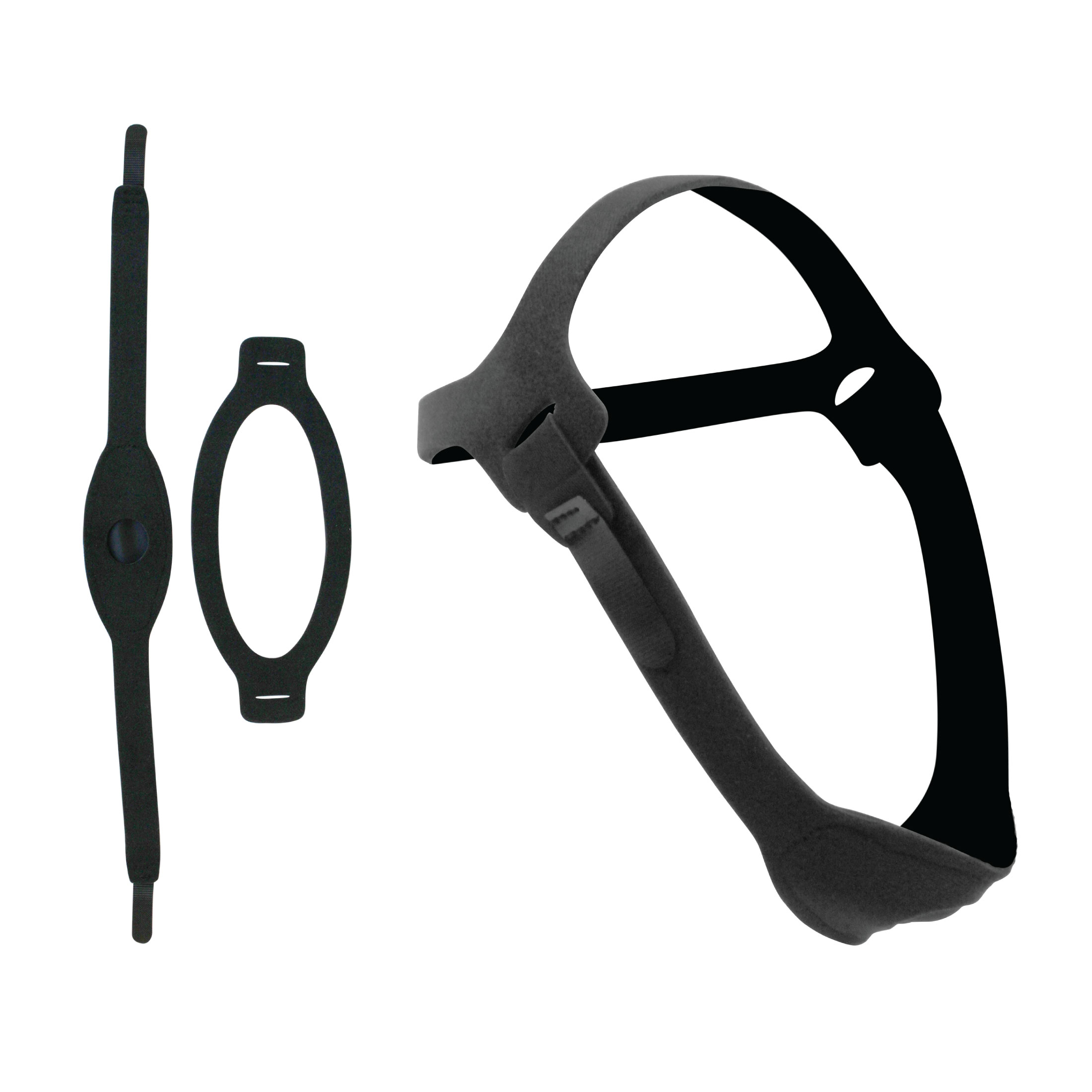
Sunset Healthcare Solutions
Sunset Halo Style Chinstrap
$13.99
Insurance Eligible
-
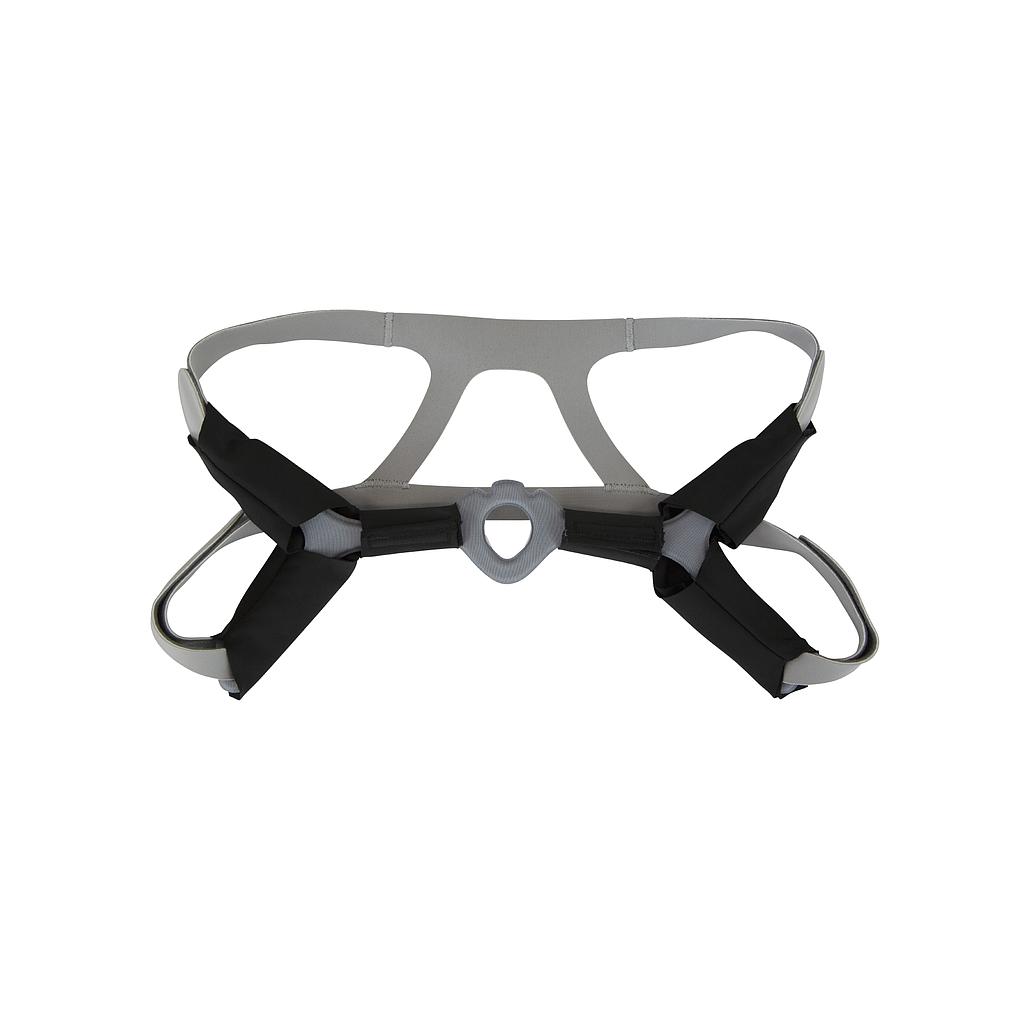
Hart Medical Equipment
CPAP Y-Straps
$7.99
-

Sunset Healthcare Solutions
Sunset Comfort Chinstrap
$12.99
Insurance Eligible
-
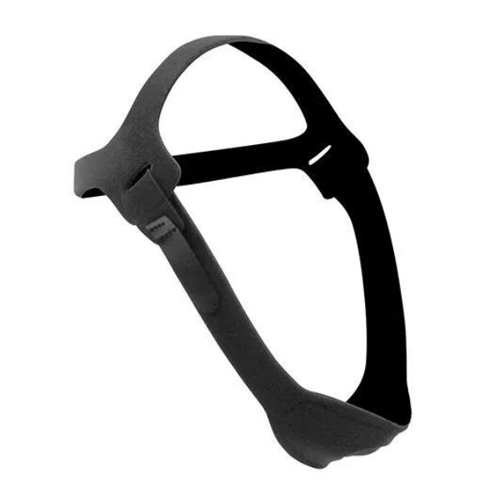
Spirit Medical
Spirit Halo Style Chinstrap
$16.99
Insurance Eligible
-
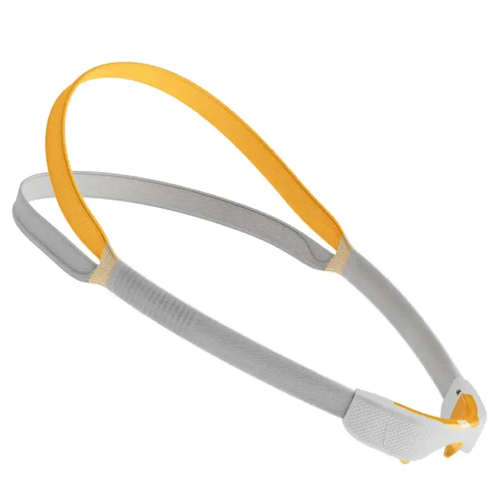
Fisher & Paykel Healthcare
Fisher & Paykel Solo Replacement Headgear
$41.00
Insurance Eligible